DIY Aloe Vera Skincare in 2025 : Natural Recipes for Healthy, Glowing Skin
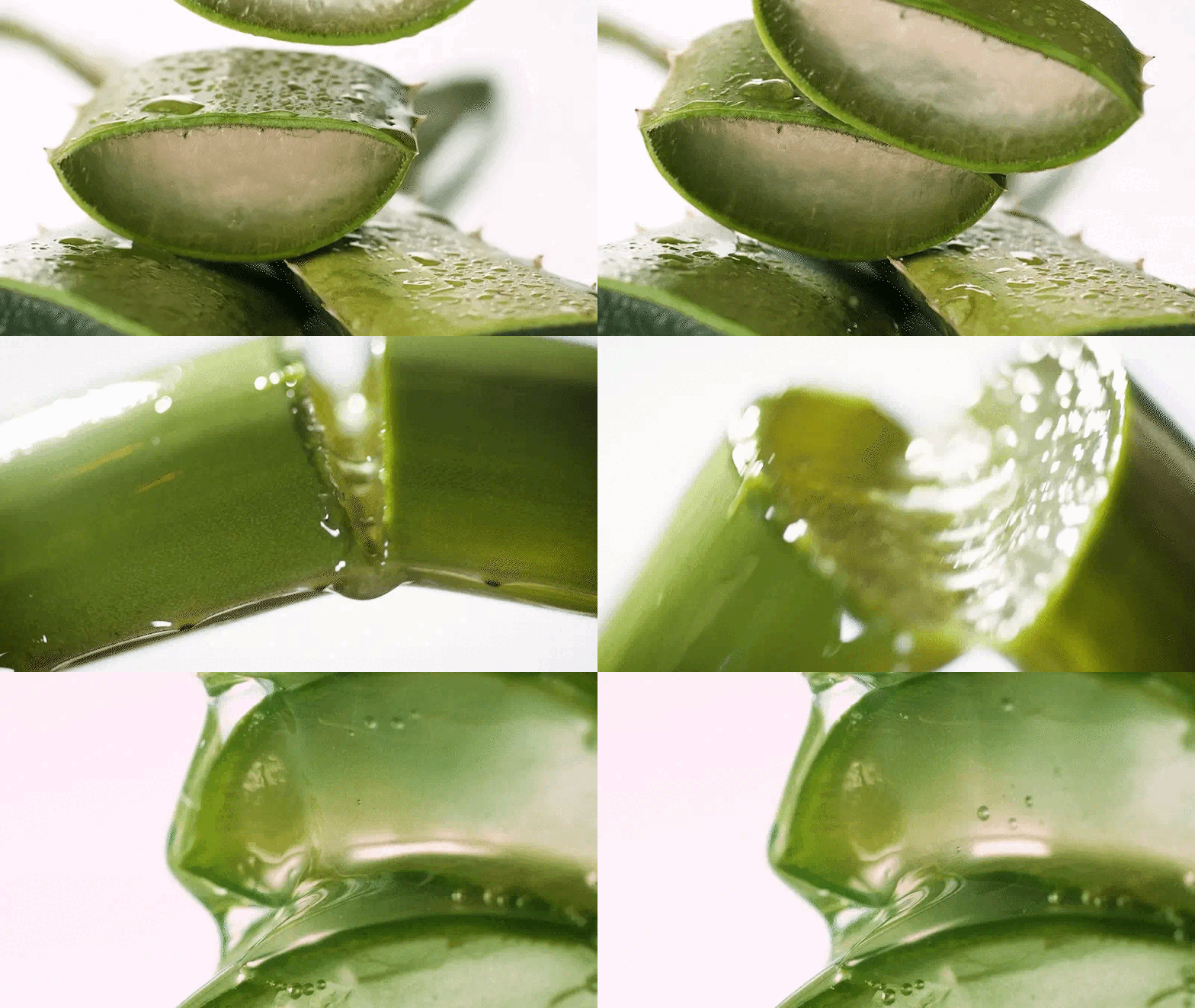
Aloe Vera is one of the most popular and versatile natural ingredients in skincare. With its incredible ability to hydrate, heal, and soothe, Aloe Vera has earned its reputation as a miracle plant in the world of beauty. Whether you are seeking natural acne treatments, anti-aging solutions, or hydration, Aloe Vera is an essential addition to your skincare routine. In this guide, we’ll explore the Aloe Vera benefits for skin, share DIY recipes you can easily make at home, and offer tips on how to safely incorporate Aloe Vera into your daily regimen.
Why Aloe Vera is Essential for Skin Health
Aloe Vera is packed with over 75 active compounds, including vitamins, minerals, amino acids, and antioxidants—making it a powerhouse for nourishing and rejuvenating your skin. Here’s why Aloe Vera is essential for your skincare routine:
Hydration : Aloe Vera deeply moisturizes the skin without leaving a greasy residue, making it perfect for all skin types. It absorbs quickly, leaving your skin feeling smooth, soft, and refreshed.
Healing : Aloe Vera is known for its healing properties. It stimulates collagen production, helping your skin regenerate and heal from minor cuts, wounds, and sunburns. It can also reduce the appearance of scars and promote overall skin health.
Acne Treatment : Aloe Vera’s antibacterial and anti-inflammatory properties make it an excellent choice for treating acne. It helps soothe inflammation, reduce redness, and prevent acne outbreaks by fighting bacteria.
Anti-aging : Aloe Vera is rich in antioxidants like vitamins C and E, which fight free radicals that cause premature aging. Regular use can minimize fine lines, wrinkles, and leave you with a youthful glow.
How to Safely Use DIY Aloe Vera for Your Skin

Aloe Vera is gentle on the skin and is non-comedogenic, meaning it won’t clog your pores. It’s suitable for all skin types, including sensitive skin. However, it’s always a good idea to perform a patch test before applying Aloe Vera extensively to your skin, especially if you are using a pure form or concentrated Aloe Vera gel. Here’s how to safely use it:
- Sunburn Relief : Aloe Vera can be used directly on sunburned skin to provide cooling relief and promote healing. Apply it as a gel or cream to soothe redness and pain.
- Face and Body Moisturizer : Aloe Vera gel makes a light, hydrating moisturizer that absorbs quickly without leaving a greasy residue. Ideal for both face and body.
- Acne Treatment : Apply Aloe Vera gel directly to acne-prone areas after cleansing. Its antibacterial properties help reduce acne-causing bacteria while soothing irritation.
DIY Aloe Vera Face Masks for Glowing Skin
Aloe Vera is an excellent base ingredient for a variety of DIY skincare recipes. Here are a few simple and effective Aloe Vera face masks you can make at home for glowing, healthy skin:
1. Hydrating Aloe Vera Face Mask
This mask is perfect for dry skin, leaving it nourished and moisturized.
Ingredients:
- 2 tablespoons Aloe Vera gel
- 1 tablespoon honey (natural humectant)
- 1 tablespoon yogurt (soothes and hydrates)
Instructions:
- Mix the Aloe Vera gel, honey, and yogurt in a bowl.
- Apply to your face, avoiding the eyes.
- Leave the mask on for 15-20 minutes, then rinse off with warm water.
2. Organic Skincare for Acne-Prone Skin
For acne-prone skin, organic products offer effective yet gentle care:
- Anti-Bacterial Properties: Ingredients such as tea tree oil and witch hazel combat acne-causing bacteria.
- Non-Comedogenic Oils: Lightweight oils like jojoba and grapeseed hydrate without clogging pores.
- Inflammation Reduction: Antioxidants, like vitamin C, help soothe and reduce blemishes.
3. Organic Skincare for Dry Skin
Dry skin needs intense hydration and nourishment:
- Deep Moisture: Ingredients like shea butter and coconut oil provide long-lasting hydration.
- Moisture Retention: Natural hyaluronic acid helps the skin retain water, keeping it plump.
- Nourishing Oils: Omega-rich oils, such as argan oil, restore elasticity and softness.
4. Organic Skincare for Aging or Mature Skin
Mature skin benefits from products that promote youthfulness:
- Antioxidant Protection: Ingredients like vitamin C and green tea fight free radicals that cause aging.
- Collagen Support: Natural retinol alternatives, like bakuchiol, encourage collagen production without irritation.
- Hydration and Elasticity: Aloe vera and olive oil help maintain skin’s moisture and firmness.
Avoid These Harmful Chemicals in Body Scrubs & Care
1. Parabens
- Why Avoid? Used as preservatives, parabens can disrupt hormone function, mimic estrogen, and are linked to reproductive toxicity and increased risk of breast cancer.
- Common Types: Methylparaben, ethylparaben, propylparaben, and butylparaben.
2. Phthalates
- Why Avoid? Phthalates are used to make fragrances last longer, but they’re known to disrupt endocrine function and may have harmful effects on reproductive health.
- Common Types: Diethyl phthalate (DEP), dibutyl phthalate (DBP).
3. Sulfates (Sodium Lauryl Sulfate and Sodium Laureth Sulfate)
- Why Avoid? Sulfates are foaming agents that can strip the skin of its natural oils, leading to dryness and irritation. They may also cause allergic reactions and are often contaminated with potentially harmful byproducts.
- Common Types: Sodium lauryl sulfate (SLS), sodium laureth sulfate (SLES).
4. Polyethylene Glycol (PEGs)
- Why Avoid? PEGs are often used as thickeners or softeners in body scrubs, but they can be contaminated with toxic byproducts like ethylene oxide and 1,4-dioxane, which are linked to cancer.
- Common Variants: PEG-100, PEG-20, etc.
5. Synthetic Fragrances
- Why Avoid? “Fragrance” can hide a cocktail of unknown chemicals that are not listed on the label, many of which are linked to skin irritation, allergic reactions, and hormonal disruptions.
- Look for Instead: Products labeled as “fragrance-free” or “scented with essential oils.”
6. Formaldehyde and Formaldehyde-Releasing Agents
- Why Avoid? Known as a carcinogen, formaldehyde can cause skin irritation and allergic reactions. Some preservatives release formaldehyde over time.
- Common Ingredients: DMDM hydantoin, imidazolidinyl urea, and quaternium-15.
7. Triclosan
- Why Avoid? This antibacterial agent may contribute to antibiotic resistance, hormone disruption, and skin irritation.
- Common Use: Often found in exfoliating cleansers marketed as “antibacterial.”
8. Mineral Oil and Petrolatum
- Why Avoid? These petroleum-derived ingredients may clog pores and prevent the skin from breathing. They are sometimes contaminated with harmful impurities linked to cancer.
- Alternatives: Look for plant-based oils like coconut oil, jojoba oil, or almond oil.
9. Artificial Dyes and Colorants
- Why Avoid? Artificial dyes can cause skin irritation and may contain harmful contaminants. They’re often linked to allergies and skin sensitivity.
- Common Dyes to Avoid: FD&C colors and D&C colors (e.g., FD&C Red No. 4).
10. Alcohol (Denatured or SD Alcohol)
- Why Avoid? High concentrations of alcohol can dry out and irritate the skin, leading to inflammation.
- Common Names: SD alcohol, denatured alcohol.
Tips for Safer Alternatives
- Read Labels Carefully: Choose products labeled “paraben-free,” “phthalate-free,” and “fragrance-free.”
- Go Natural: Look for products with natural exfoliants like sugar, salt, coffee, or oatmeal and minimal, plant-based ingredients.
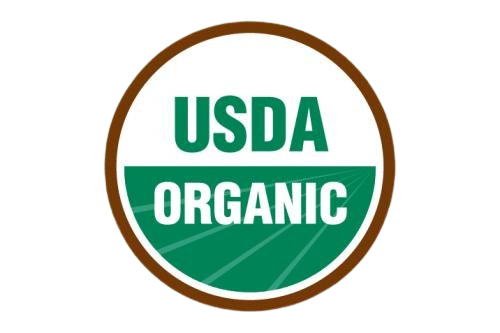
- Choose Certified Organic and Natural Brands: Products with certifications like USDA Organic, Ecocert, or NATRUE are usually safer choices.
Avoiding these ingredients can help reduce exposure to harmful chemicals while ensuring your body scrub is safe and nourishing for your skin.
Why Choose Halal Aloe Vera Cream for Your Face?
Understand how halal ingredient-source considerations and Aloe Vera's role in facial skincare can help consumers make more informed product choices.
| What Halal Controls / Provides | What It Means in a Facial Cream | Why It Matters for Your Skin & Ingredient Choice | Consumer Benefit |
|---|---|---|---|
| Porcine / Pig-Derived Ingredients | Halal requirements prohibit porcine-derived materials and require relevant ingredient sources to meet halal requirements. Examples can include porcine-derived gelatin or collagen. | Pig-derived cosmetic ingredients are not automatically harmful to skin. The key concern is knowing the source of animal-derived ingredients. | Greater confidence that your facial cream does not contain prohibited pig-derived ingredients, with less uncertainty about ingredient origin. |
| Human-Derived Materials | Certain human-derived cosmetic materials are restricted or prohibited under applicable halal requirements. | Helps consumers understand the origin of specialized cosmetic ingredients rather than relying only on an ingredient name. | Greater confidence about the source of specialized ingredients used in facial skincare. |
| Blood & Impure Materials | Halal requirements address blood and defined impure materials within relevant ingredients and production processes. | Provides an additional framework for ingredient and manufacturing integrity. | Greater peace of mind about the formulation and its ingredient sources. |
| Animal-Derived Ingredients | Ingredients such as collagen, gelatin, glycerin, keratin, lanolin or stearic acid can have different sources depending on the formulation. | The same ingredient name does not always reveal whether its source is plant-based, synthetic or animal-derived. | More transparency and less uncertainty about the origin of cosmetic ingredients. |
| Ingredient Source Verification | Relevant raw materials can be assessed according to halal requirements and certification procedures. | Consumers can make skincare choices based on more than the ingredient name alone. | Greater confidence when choosing facial skincare products. |
| Non-Halal Contamination | Halal requirements can extend beyond the formula to handling, equipment, storage and potential cross-contamination. | Ingredient integrity depends not only on what is added to a cream but also on how it is produced and handled. | Greater confidence that halal considerations extend through the production process. |
| Processing & Manufacturing | Halal assurance can involve relevant manufacturing procedures, processing aids, handling and production controls. | Provides additional oversight of how ingredients become the finished cosmetic product. | More confidence in product integrity from ingredients to finished cream. |
| Alcohol / Ethanol Considerations | Halal standards may distinguish between different alcohol types, sources and uses. Not every cosmetic alcohol is automatically prohibited. | Helps consumers avoid the common misconception that “halal” simply means “alcohol-free.” | More accurate understanding of cosmetic ingredients and halal skincare. |
| Aloe Vera as a Plant-Derived Ingredient | Aloe Vera is a botanical ingredient commonly used in facial skincare formulations. | Aloe Vera can contribute moisturizing, conditioning and soothing properties when appropriately formulated. | A plant-focused option for daily facial care. |
| Skin Hydration | Aloe Vera contains water and polysaccharides that can contribute to the moisturizing performance of a suitable formulation. | Supports a more hydrated and comfortable skin feel, particularly when skin feels dry or tight. | Skin that feels softer, refreshed and moisturized. |
| Moisturizing Facial Cream | Aloe Vera can be combined with humectants, emollients and other moisturizing ingredients in a facial cream. | The finished formulation determines overall moisturizing performance—not Aloe Vera alone. | A convenient daily moisturizer for dry or dehydrated-feeling skin. |
| Skin Conditioning | Aloe Vera and other conditioning ingredients can help improve the feel of the skin after application. | Supports a smoother and more comfortable-feeling skin surface. | Softer, smoother-feeling skin after use. |
| Soothing Facial Care | Aloe Vera is commonly used in facial formulations designed to provide a refreshing and soothing skin experience. | Can help skin feel more comfortable when it feels dry, tight or stressed. | A refreshing and comfortable daily skincare experience. |
| Plant-Focused Skincare | Aloe Vera provides a botanical ingredient option within facial skincare. | Relevant for consumers looking for skincare containing plant-derived ingredients. | A botanical facial-care choice for everyday routines. |
| Halal + Aloe Vera | Halal addresses relevant ingredient sources and production requirements, while Aloe Vera contributes facial skincare functionality. | Combines ingredient-source assurance with facial skincare benefits. | Skincare benefits plus greater confidence about what you are applying to your face. |
| Halal Daily Facial Care | A halal-certified facial cream can be incorporated into a regular skincare routine. | Supports consumers who want their personal-care choices to align with halal requirements. | Simple daily skincare that aligns with halal-conscious beauty preferences. |
| Halal Beauty for Non-Muslim Consumers | Halal skincare can provide a framework for considering ingredient origin, animal-derived materials and production processes. | Consumers do not need to be Muslim to care about ingredient transparency and sourcing. | An additional way to make more informed skincare choices. |
| Ingredient Transparency | Halal assurance encourages attention to relevant ingredient sources and production conditions. | Ingredient names alone may not always reveal the full origin of a raw material. | Less uncertainty and greater confidence when selecting facial skincare. |
| Facial Skincare Confidence | Halal assurance and botanical skincare benefits address different parts of the consumer decision. | Aloe Vera answers the question “What can this ingredient do for my skin?” while Halal answers “Where do relevant ingredients come from and how are they handled?” | A clearer understanding of both skincare function and ingredient origin. |
DIY Aloe Vera Face Masks for Glowing Skin
1. Hydrating Aloe Vera Face Mask
This mask is perfect for dry skin, leaving it nourished and moisturized.
Ingredients:
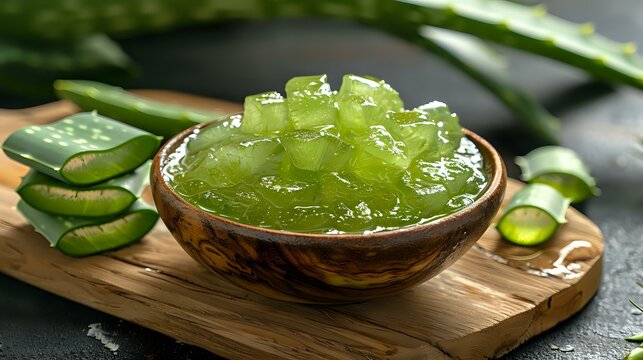
- 2 tablespoons Aloe Vera gel
- 1 tablespoon honey (natural humectant)
- 1 tablespoon yogurt (soothes and hydrates)
Hydrating Aloe Vera Face Mask
Follow these steps to make your own Aloe Vera Face mask
Instructions:
- Mix the Aloe Vera gel, honey, and yogurt in a bowl.
- Apply to your face, avoiding the eyes.
- Leave the mask on for 15-20 minutes, then rinse off with warm water.
2. Acne-Soothing Aloe Vera and Tea Tree Oil Mask
Aloe Vera and tea tree oil work together to fight acne while soothing inflammation.
Ingredients:
- 1 tablespoon Aloe Vera gel
- 1 drop tea tree oil (antibacterial)
Acne-Soothing Aloe Vera & Tea Tree Oil Mask DIY
Follow these steps to make your DIY Aloe Vera & Tea Tree Oil Face mask For Acne-Soothing
Instructions:
- Mix Aloe Vera gel with tea tree oil.
- Apply the mixture to acne-prone areas.
- Leave it on overnight for best results.
3. Anti-Aging Aloe Vera and Honey Mask
This mask helps reduce fine lines and wrinkles while promoting skin elasticity.
Ingredients:
- 2 tablespoons Aloe Vera gel
- 1 tablespoon honey
- 1 teaspoon lemon juice (optional for brightening)
Anti-Aging Aloe Vera and Honey Mask DIY
Follow these steps to make your DIY Anti Aging Aloe Vera & Honey Face mask
Instructions:
- Mix Aloe Vera gel with tea tree oil.
- Apply the mixture to acne-prone areas.
- Leave it on overnight for best results.
Conclusion
Aloe Vera is truly a miracle ingredient in natural skincare. Its ability to hydrate, heal, and protect the skin makes it a must-have for anyone looking for an effective and natural skincare solution.
Whether you’re dealing with acne, dryness, or sun damage, Aloe Vera provides a gentle and powerful remedy for your skin.
If you’re looking for a safe, effective, and natural way to improve your skin health, Aloe Vera is your go-to ingredient. From DIY face masks to daily moisturizing, this versatile plant can benefit your skin in countless ways.
Ready to start using Aloe Vera in your skincare routine? Try some of these DIY Aloe Vera recipes and experience the magic of nature firsthand!
Frequently Asked Questions (FAQ)
1. Is Aloe Vera safe for all skin types?
2. Can Aloe Vera help with acne scars?
3. How often should I use Aloe Vera on my skin?
Transform Your Skin Today
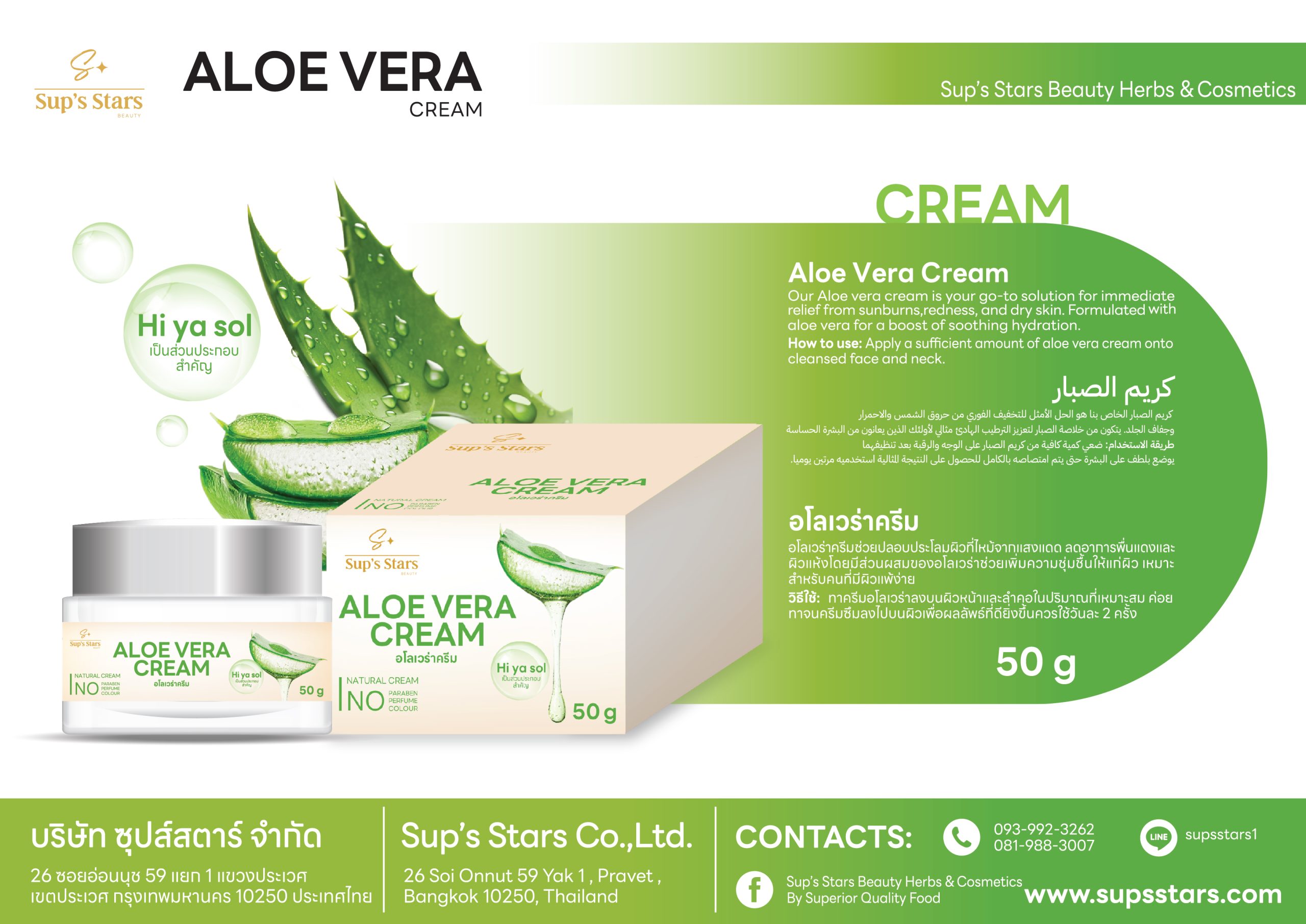
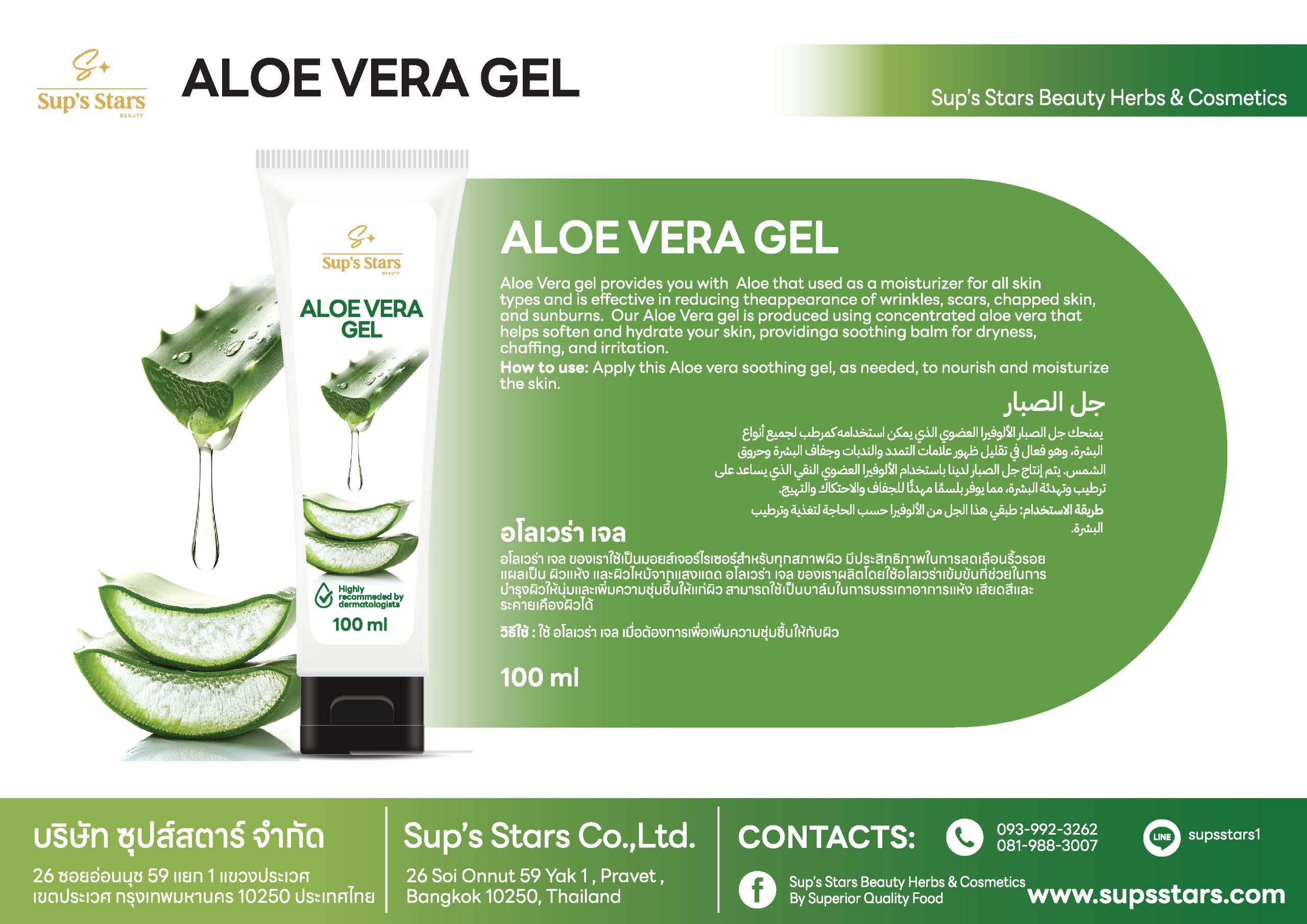
If you love DIY Aloe Vera skincare but want a ready-made, all-natural alternative, Sup’s Stars Natural Beauty & Cosmetics is crafted just for you! Made with pure Aloe Vera and zero chemicals, it delivers the deep hydration, soothing relief, and glowing skin you seek without the hassle of making it yourself.
Ditch synthetic products and experience the best of handcrafted, chemical-free skincare, perfected for natural beauty enthusiasts like you.
Try it today and give your skin the Aloe-powered care it deserves!
Certifications for Organic Products
To ensure that skincare products are truly organic, they should have certifications from recognized bodies:
- USDA Organic Certification: Guarantees that the product contains at least 95% organic ingredients and follows stringent farming and manufacturing practices.
- Ecocert Certification: Confirms that the product meets the standards for natural and organic ingredients, including environmentally-friendly practices.
- COSMOS Certification: Ensures that the product complies with high standards for organic and natural cosmetics, covering everything from ingredient sourcing to manufacturing.
- ISO 16128: Provides guidelines on natural and organic cosmetic ingredient content, helping manufacturers and consumers identify truly organic products.

Trends in Natural Skin Care
- Ingredient Transparency: Consumers demand clear labeling of ingredients, focusing on natural, non-toxic components.
- Sulfate-Free & Paraben-Free Formulas: Increasing preference for shampoos without harmful chemicals like sulfates, parabens, and silicones.
- Plant-Based & Vegan Formulations: Growing demand for plant-derived ingredients, cruelty-free, and vegan-certified products.
- Sustainable & Eco-Friendly Packaging: Brands are shifting to biodegradable, recyclable, or refillable packaging to reduce environmental impact.
- Focus on Scalp Health: Products promoting scalp health using natural ingredients like tea tree oil, aloe vera, and witch hazel are gaining popularity.
- Minimalist Formulas: Shampoos with fewer, cleaner ingredients designed to be gentle and effective.
- Customizable & Personalized Products: Brands are offering personalized formulations based on hair type, texture, and specific concerns.
- Waterless & Solid Shampoo Bars: Solid shampoo bars and waterless formulations are becoming popular for sustainability and convenience.
- Natural Fragrances & Essential Oils: There is a shift toward using essential oils for scent instead of synthetic fragrances.
- Holistic Wellness: Shampoos with adaptogens, botanicals, and herbs aimed at promoting overall wellness and stress relief are trending.
- Organic Certification: Consumers increasingly look for certified organic products to ensure authenticity and quality.
- Focus on Sensitive Skin: Brands are creating hypoallergenic and dermatologist-tested options for sensitive skin and scalp.
Generational Preferences for Organic Shampoo
Understanding the preferences of different age groups can help in tailoring marketing strategies and expanding market reach:
- Gen Z (Born 1997-2012): This generation values sustainability and ethical practices. They prefer cruelty-free, vegan, and environmentally friendly products. They are influenced by digital marketing and social media, making online presence crucial.
- Millennials (Born 1981-1996): Millennials are leading the organic movement and are interested in products that offer long-term health benefits. They look for products with natural ingredients and anti-aging properties. Highlighting these benefits can attract this demographic.
- Gen X (Born 1965-1980): Gen X consumers are gradually shifting towards organic products due to concerns about synthetic chemicals. They value effectiveness and safety in skincare. Educational marketing and clear product benefits can engage this group.
- Baby Boomers (Born 1946-1964): Baby Boomers are seeking simple, effective skincare solutions that are gentle on mature skin. Emphasizing the safety and efficacy of organic products can appeal to this generation.
Market Expansion Opportunities
To expand your market, consider the following strategies:
- Leverage Digital Marketing: Use social media, influencer partnerships, and targeted online ads to reach younger audiences.
- Emphasize Sustainability: Promote eco-friendly practices and packaging to attract environmentally-conscious consumers.
- Offer Customization: Provide personalized skincare solutions to meet individual needs and preferences.
- Communicate Clearly: Ensure that the benefits of your products are well-explained and accessible to all consumers, highlighting both health and environmental advantages.
Conclusion
To expand your market, consider the following strategies:
- Leverage Digital Marketing: Use social media, influencer partnerships, and targeted online ads to reach younger audiences.
- Emphasize Sustainability: Promote eco-friendly practices and packaging to attract environmentally-conscious consumers.
- Offer Customization: Provide personalized skincare solutions to meet individual needs and preferences.
- Communicate Clearly: Ensure that the benefits of your products are well-explained and accessible to all consumers, highlighting both health and environmental advantages.